
Menu
Long-Term Care Tips After Concrete Resurfacing in Midland
Concrete Resurfacing Midland
Proper maintenance following concrete resurfacing ensures maximum return on your investment while preserving both appearance and structural integrity for years to come. The first few months after installation prove critical in establishing protective routines that prevent common problems like staining, cracking, or premature wear. Understanding Midland’s unique climate challenges helps homeowners develop maintenance schedules that account for temperature extremes, UV exposure, and occasional severe weather events. Professional resurfacing creates renewed surfaces that require different care approaches compared to original concrete installations. With proper care and maintenance, resurfaced concrete can last 5-10 years or even longer, making consistent upkeep practices essential for protecting this valuable home improvement investment.
Initial Curing and Break-in Period
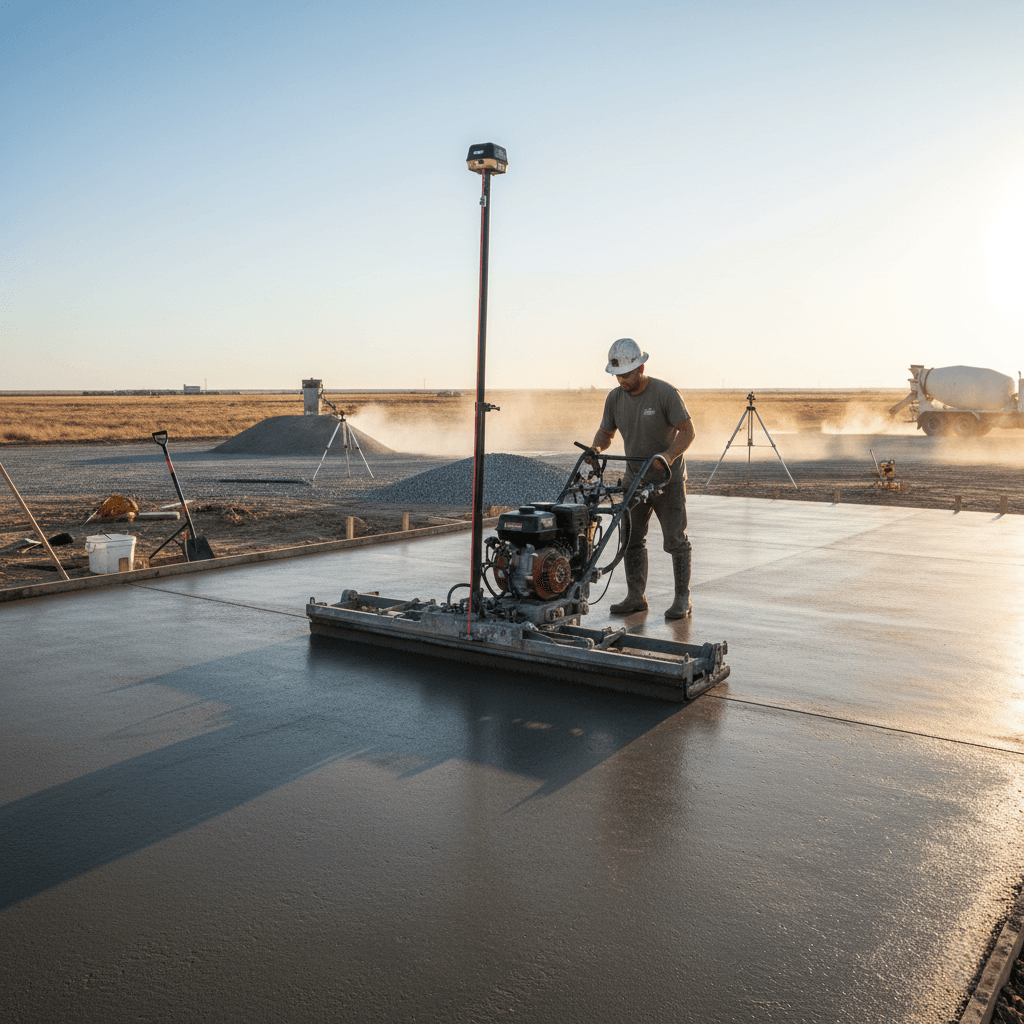
Concrete resurfacing has its first 30 days post-resurfacing as the most critical time frame for determining the performance of the long-term. For the first 30 days post-resurfacing, the newly applied surface will continue to cure and achieve the ultimate strength; therefore, it is very important to protect the surface from too much water (excessive moisture), heavy loads, and chemical damage. Do not park your cars, move in heavy furniture, or do anything else that could potentially harm the new and developing surface during the first 30 days.
Temperature is also a key factor in controlling the curing of the concrete in the Midland area. In many instances, large temperature swings in the Midland area have a detrimental effect on the curing of the concrete. It is best to follow the advice of the contractor who performed the work and to try to keep the surface out of extreme temperature ranges during the first week after resurfacing, especially during the peak hours of the day when the sun is at its strongest.
During the curing period, there are several ways to manage the moisture content of the concrete. First, you need to make sure that the surface receives enough moisture to continue to hydrate the concrete. At the same time, you need to take steps to prevent excess moisture from penetrating the surface. If the area is experiencing extreme heat and no rain, a light misting of the surface may be beneficial to maintain a sufficient level of hydration. On the other hand, if the area experiences an abundance of rain or if the area is irrigated excessively, you need to take steps to minimize the amount of water that comes into contact with the surface to prevent damage caused by excess water.
Initial Photographs and Documenting Changes
It is advisable to photograph the newly resurfaced concrete from various angles and under ideal lighting conditions to establish documentation for future reference. As with any surface, the photographic documentation will be helpful in identifying changes to the surface over time and will serve as a useful tool for making warranty claims or developing a plan for future maintenance.
Developing Consistent Cleaning Routines
To prevent the buildup of dirt, prevent dirt from penetrating to the surface of the concrete, and to slow down the degradation of the resurfaced concrete, you need to develop consistent cleaning routines. Depending upon the types of soils present, the type of usage the surface receives, and the season of the year, you will need to develop a variety of cleaning routines to meet the demands of the surface.
You will want to develop a routine that involves the regular sweeping of the surface to remove abrasive particulate matter that can gradually wear down the texture and finish of the surface. You should use a soft-bristle brush or a leaf blower to remove loose debris to prevent scratching of the surface. Some areas may require more frequent cleaning due to increased amounts of debris, such as around the Sibley Nature Center.
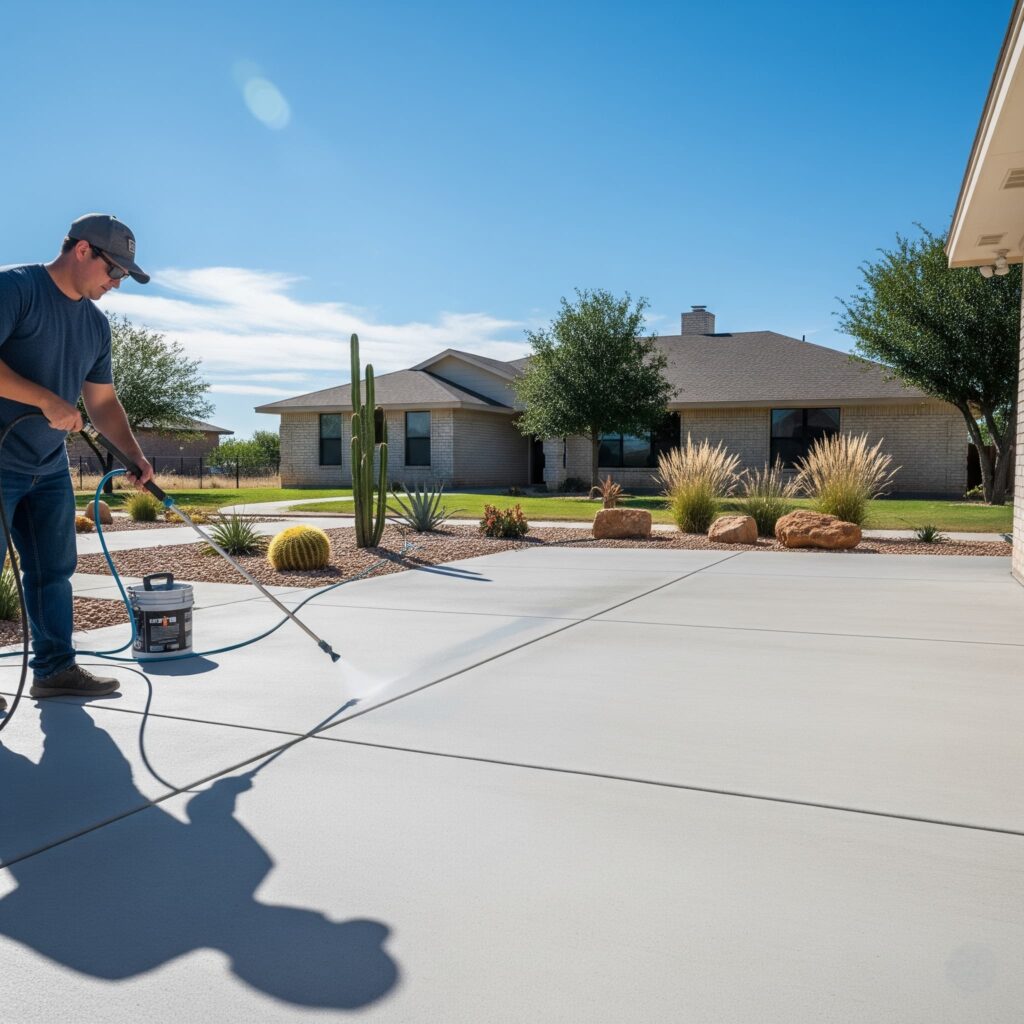
As part of your routine, you should develop a schedule for performing deep cleaning of the surface using concrete cleaners. Deep cleaning of the surface will help to remove any embedded dirt that has penetrated the surface and prevent staining. Be sure to select a pH-neutral cleaner that is specifically designed for decorative concrete and that will not damage the color or texture of the surface. Never use harsh chemicals, acidic cleaners, or de-icing agents on the surface, as they can damage the surface and/or change the color of the surface.
Immediate Action to Prevent Staining
If a spill occurs on the surface, you need to act quickly to prevent the spill from causing a permanent stain on the surface. To prevent stains from oil, grease, food, and beverages, you need to clean up the spills immediately using a cleaning agent and technique that is suitable for the type of substance spilled. Blot the spill instead of rubbing it to prevent the stain from spreading and to prevent it from being pushed further into the surface.
Organic debris, such as leaves, branches, etc., that falls on the surface and needs to be removed to prevent organic staining, needs to be removed from the surface in a timely manner. Some areas may receive heavier amounts of organic debris, such as those around the Bush Family Home State Historic Site and other areas that contain a lot of trees and vegetation.
Timing for Protective Sealing of the Surface
We suggest that the surface of your concrete be sealed every two to three years, depending on how much the surface is exposed to the elements and usage. Sealing the surface will provide protection from water penetrating the surface, stains, UV rays, and freeze-thaw damage that can occur to the surface of the resurfaced concrete.
When to apply the protective sealer depends on how much traffic the surface receives and how much it is exposed to the elements. High-traffic surfaces and those that are exposed to heavy weather should be resealed annually, while lower-traffic surfaces and those that are well-protected from the elements may not need to be resealed until every three years. A simple way to check if the surface is ready to be sealed again is to perform a bead test on the surface once a year. If the beads absorb quickly into the surface, then it is likely that the surface is ready to be resealed.
Applying a sealer to the surface of the resurfaced concrete yourself can be done, but it is important to pay close attention to the weather, the surface preparation, and the method of applying the sealer to prevent some of the most common problems associated with applying a sealer. Problems that can occur when applying a sealer include haziness, bubbling, and uneven coverage.
Choosing the Right Type of Sealer
There are different types of sealers available, each with its own set of benefits and drawbacks. Some sealers penetrate into the surface of the resurfaced concrete and provide long-lasting protection without changing the appearance of the surface, while others sit on top of the surface and provide excellent stain resistance and visual appeal, but may require more frequent applications. Your best option will depend on the specific application, and you should discuss all of the options with a professional contractor before making a decision.
Maintenance Strategies Specific to Climate Conditions
West Texas’s climate has its own set of challenges that are specific to the area and that require special maintenance strategies. One of the biggest challenges is the prolonged exposure to high temperatures and direct sunlight, which can accelerate the aging process of the concrete, resulting in discoloration, cracking of the surface, and other structural weaknesses. Using sealers that provide UV protection and installing shade structures will help reduce the damage caused by the sun and help maintain the integrity of the surface.
Another challenge to the resurfaced concrete is the extreme temperature swings that are common in the Midland area, which can cause the surface to expand and contract. Monitoring the control joints and expansion gaps on the surface will help ensure that they stay open and functioning properly. Any minor cracks in the surface should be repaired quickly to prevent water from entering the cracks and freezing and expanding inside the cracks during the cold winter months.
In addition to the effects of extreme temperatures, the Midland area is also subject to dust storms and high winds that can increase the amount of debris and dust that accumulates on the surface. Cleaning the surface more frequently during times of severe weather and protecting the surface from the wind and debris when possible will help prevent damage to the surface.
Some areas, such as those around recreational facilities like Hogan Park, where the Sibley Nature Center is located, may receive a wide range of weather exposure and usage patterns, which may require more frequent cleaning and closer monitoring of the surface for wear patterns.
Adjusting Maintenance Schedules Seasonally
Your spring cleaning should include inspecting the surface for any damage that occurred during the winter months, sealing any minor cracks that developed during the winter, and performing a deep cleaning of the surface to remove any dirt that accumulated during the winter and to prepare the surface for increased usage. Your summer maintenance will focus on protecting the surface from UV damage, ensuring that the surface is getting enough moisture, and checking for signs of heat stress. Your fall maintenance should involve increasing the frequency of cleaning the surface to remove the increased amounts of organic debris that accumulate during the fall, and preparing the surface for the potential for temperature fluctuations during the winter months.
Managing Traffic Flow and Load Distribution
For a resurfaced concrete surface to last as long as possible, you need to carefully manage the flow of traffic on the surface and ensure that the load distribution on the surface is even. Heavy vehicles and equipment, and concentrated loads, can easily damage a thin layer of resurfaced concrete and/or damage decorative finishes. Establish guidelines for the type of traffic allowed on the surface, and implement protective measures to prevent excessive wear and tear.
Placing furniture on the surface should always be done with caution and utilizing furniture glides that will distribute the weight evenly and prevent point loads that can create indentations or damage the surface. Furniture should be moved periodically to prevent creating permanent impressions in the surface and to promote even wear across the entire surface.
Homeowners with pets that scratch or damage decorative surfaces should be aware of the impact that their pet(s) may have on the surface. Pet owners should train their pets to use designated areas for urinating or defecating and clean up any accidents promptly to protect the surface and prevent permanent damage.
Designating Activity Zones
Identifying the high-traffic areas on your resurfaced concrete surface and implementing measures to protect those areas from excessive wear and tear is an effective way to maximize the lifespan of your surface. Designating entrance paths and establishing traffic flow plans for high-traffic zones can help to distribute the wear evenly and maintain the aesthetic appeal of the surface. Regularly inspecting the designated activity zones will enable you to catch any problems early and take corrective action before the problem becomes more extensive.
Ensuring Proper Drainage
Drainage is another critical component of maintaining the longevity of your resurfaced concrete surface, especially in areas that receive a great deal of rainfall or are subjected to the constant spray of irrigation systems. Standing water on the surface can penetrate through the surface coating, cause staining, and create conditions that lead to freeze-thaw damage during the colder winter months. Regular inspections and maintenance of the drainage system will help to eliminate the potential for water damage.
Adjusting Irrigation Systems
If you live in an area that is subject to a lot of rainfall or irrigation, you may need to adjust the sprinkler systems so that they do not deliver excessive amounts of water directly to the surface of the resurfaced concrete. Calibration of the sprinkler heads should be done to prevent excessive water contact with the surface of the resurfaced concrete, while still maintaining healthy landscaping. Alternative irrigation systems, such as drip irrigation or targeted watering systems, can significantly reduce the amount of water delivered to the surface of the resurfaced concrete.
Minor slope corrections can be made to the surface of the resurfaced concrete to redirect the flow of water away from any structures that may be adjacent to the surface and to prevent standing water in the low areas of the surface. When making any adjustments to the drainage of the surface, you should use materials that will not negatively affect the surface.
Preparing for Winter Weather Conditions
Avoid using chemical deicers on your resurfaced concrete surface during the winter months, as these chemicals can cause scaling and spalling of the surface of the resurfaced concrete by forcing the moisture in the surface to thaw and then refreeze. Sand is an acceptable alternative for traction and can be used to provide traction on icy surfaces without damaging the surface.
Seeking Professional Inspection and Maintenance Services
Annual professional inspections of your resurfaced concrete surface will help identify any potential problems that could lead to costly repairs or complete surface replacement. Experienced contractors are trained to recognize early warning signs of wear, damage, and maintenance needs that you may miss. Annual inspections will provide an independent, unbiased review of the condition of your surface and the effectiveness of your maintenance program.
Using Specialized Cleaning Services
If you have a heavily trafficked or severely stained surface that exceeds the capability of your home maintenance practices, it may be beneficial to seek the assistance of specialized cleaning services. Professional cleaning services possess the knowledge and equipment to effectively clean and restore your surface without causing damage that may result from attempting to clean the surface improperly.
Enrolling in a Preventive Maintenance Program
Preventive maintenance programs offered by experienced contractors will provide systematic maintenance care to extend the life of your surface while maintaining warranty coverage. Preventative maintenance programs typically include scheduled cleaning and sealing, minor repair, and ongoing condition monitoring of the surface.
Documenting Maintenance Activities
Maintaining a log of your maintenance activities will enable you to track the history of the surface and help you to establish optimal maintenance schedules. Documenting maintenance activities will also provide valuable data for any warranty claims or professional consultations that you may need to engage in the future.
Troubleshooting Common Problems
Identifying and addressing common problems with your resurfaced concrete surface as soon as possible will help to prevent minor problems from becoming major repairs. Many problems with the surface are related to the natural aging process of the concrete, while others are related to environmental conditions or poor maintenance practices. Identifying and addressing the root causes of problems will help to prevent them from recurring.
Efflorescence
Efflorescence refers to the formation of white, chalky deposits on the surface of the resurfaced concrete. Efflorescence is usually a sign of moisture migration through the surface of the concrete and usually disappears on its own. Persistent efflorescence may be a sign of a larger issue related to drainage or sealing that requires professional evaluation.
Color Changes
Changes in the color of the decorative concrete surface may occur as a result of the aging process of the surface or as a result of exposure to the environment. Differentiating between the normal changes in color that occur as a result of aging and color changes that may indicate a maintenance issue or product failure will help you to determine the course of action to take.
Midland Concrete Services offers comprehensive maintenance guidance and professional services to help homeowners protect their investments in resurfaced concrete. We offer expert advice on maintaining your surface in compliance with West Texas climate conditions and will assist you in maximizing the performance and appearance of your resurfaced concrete surface for years to come.
LATEST POSTS